Fresh bear garlic on wooden table with knife

Food insecurity in Singapore: Tackling the root causes of hunger, not just intervention mechanisms

Through a two-part series – the first documenting the 4.1 per cent of Singaporeans facing moderate to severe food insecurity (CNA, Feb. 16) and the second evaluating the over 100 food assistance groups helping those in need (CNA, Feb. 23) – Channel NewsAsia (CNA) cast additional light on a phenomenon which demands greater attention on its root causes, not just the shortcomings of existing intervention mechanisms. In other words, how do we prevent Singaporeans from going hungry in the first place, and if they do experience food insecurity what are the more effective, not just more efficient, ways of dealing with the problem?

Number of PMET retrenchments

MOM versus SDP on PMET retrenchments: Using statistics to make arguments, “with less heat and more light”

Shannon Ang, a sociology graduate student at the University of Michigan, penned a case study on the number of PMET (professionals, managers, executives, and technicians) retrenchments in Singapore, which was at the centre of the legal case between the Ministry of Manpower (MOM) and the Singapore Democratic Party (SDP). Ang’s piece is not focused on the court’s decision or on taking sides, but is instead premised upon the better use of statistics to make arguments.

Man holding hand with child standing beside railing

Stay-at-home fathering and the promotion of active fathering in Singapore

Following a study of stay-at-home fathers in Singapore by the Institute of Policy Studies – focusing on their roles and responsibilities as well as their perceptions of fatherhood, parenthood, and household work – the proposals for more paternity leave and additional measures to reduce the stigma of stay-at-home fathering appear anchored by a broader desire to get more Singaporean fathers more actively involved in the home. And while these exceptional cases of 21 fathers and nine of their spouses are a good starting point, future research should include more diverse family types and demographics and the perspectives of different family members.

Woman holding a transparent umbrella

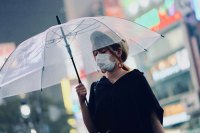
“3 in 5 Singaporeans fearful of contracting Wuhan virus”: The limits of public surveys and perceptions

Even though the Wuhan coronavirus outbreak has understandably stoked anxieties in Singapore, the lack of scientific knowledge about the SARS-like virus and its rapid spread has been matched – in this country – by a lack of knowledge about how the public perceives, understands, and communicates about the virus as well as the (desired) government response. Opinion surveys may provide some descriptive information, yet in the context of present and future public health emergencies we ought to test the extent to which Singaporeans possess factual information, to identify how they receive and share information, and to ultimately disseminate important advisories (and stem misinformation) more effectively.