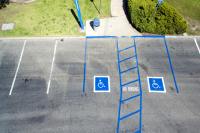
Symbol of wheelchair user (Photo by Julius Carmine on Unsplash)

Representation, not just conversation and consultation: DPA’s recommendations for Singapore’s workplace anti-discrimination law for people with disabilities

Prime Minister Lee Hsien Loong announced in 2021 that the government would enshrine into law the current workplace anti-discrimination guidelines. Since then, the Tripartite Committee on Workplace Fairness, comprising the Ministry of Manpower, National Trades Union Congress, and the Singapore National Employers Federation, has been reviewing the current guidelines. The Tripartite Committee then released a report with 20 recommendations of what the anti-discrimination law should contain. The main recommendation was that the law should prohibit workplace discrimination in respect of (i) age, (ii) nationality, (iii) sex, marital status, pregnancy status, caregiving responsibilities, (iv) race, religion, language, as well as (v) disability and mental health conditions.

After the report’s release, several organisations released their responses to the report with their own recommendations. Today, we speak to a representative from one of these organisations, Max Soh, who is the Research and Policy Manager for the Disabled People’s Association or DPA, Singapore’s only cross-disability non-profit organisation. Max joined DPA in 2021 and manages the organisation’s various research and policy related initiatives. In addition to being disabled himself (visually impaired since birth), he brings experience with disability and disability advocacy through his prior involvements with disability organisations especially internationally. In this episode, we talk about the work of DPA and what DPA feels should be included in the anti-discrimination law for people with disabilities.
socialservice.sg Feature

BeTheWire: Bridging the digital divide for persons of all abilities

BeTheWire (https://www.facebook.com/BeTheWire/) is a ground-up initiative which produces accessible and guided bite-sized videos and posts so as to equip, educate, and empower persons of all abilities to bridge the digital divide. The topics include digital literacy, communication platforms, as well as e-shopping and e-payment. We speak with founder Bryan Neo, who wishes to spread the word to more social workers and friends, focused on equipping individuals with digital lifeskills for the long haul. In addition, he envisions partnerships with agencies to work with community members in the initial phases.

Disability parking spaces

The employment of persons with disabilities: Accounting for employment satisfaction and discrimination claims

A CNA article brought critical attention to the challenges that persons with disabilities (PWDs) face when looking for a job in Singapore (CNA, Mar. 22). Currently, 28.6 per cent of PWDs aged 15 to 64 are employed – mostly in “community, social and personal services, food services, administrative and support services and manufacturing” – and another 4.2 per cent who fall within this age range are unemployed but actively looking for employment. Yet, at the same time, it would be productive to also focus on employment satisfaction among those who have a job as well as increase awareness of and examine discrimination claims.