Subscribe to the monthly socialservice.sg newsletter and check out the socialservice.sg podcast! Click here to listen to the episode. Today,… Read more The future of… Marrying purpose and profit (with StoneSoup Partner’s Samantha Lee)
Subscribe to the monthly socialservice.sg newsletter and check out the socialservice.sg podcast! Click here to listen to the episode. Today,… Read more The future of… Marrying purpose and profit (with StoneSoup Partner’s Samantha Lee)

This roundup summarises the most important news stories around the world in the last month (May 2022).
“What is something that brought you joy today?” That’s the question one is encouraged to contemplate as one explores the website of HappyUrns, an initiative to help different groups of Singaporeans engage meaningfully with death and end-of-life topics with their loved ones. With team members Amanda Swee and Adya Sadanand, we have a thoughtful conversation about their three projects – “Residents’ Urns”, the “Celebration Kit”; and the “Life in a Year Book” – and for each project you’ll hear powerful stories and reflections of their design experiences and interpersonal interactions. This episode is a great complement to an earlier episode with representatives of “Both Sides, Now”, who work to normalise end-of-life conversations through artistic projects and public engagement.
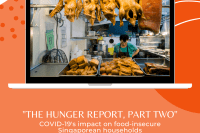
Last year, the Lien Centre for Social Innovation published Singapore’s first nationally representative food insecurity study, finding that about 10 per cent of Singaporean households experienced food insecurity at least once in the last 12 months. This year, the centre’s updated, second part of “The Hunger Report” explored two related questions. First, what is the impact of the COVID-19 pandemic on food insecurity in Singapore? And second, how can the unique needs of food-insecure families be met? We take a deeper dive into the report with members of the report team, Dr. Dalvin Sidhu, Dr. Tania Nagpaul, and Ms. Ng Weng Lin.
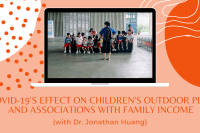
Using two child cohorts, Dr. Jonathan Huang and his team at the Singapore Institute for Clinical Studies at the Agency for Science, Technology and Research sought to understand – in a journal article – the lifestyle changes experienced by Singaporean children after the country’s circuit-breaker as well as the potential long-term outcomes. In our conversation, we learn more about the research findings and methodology, future directions, and the potential practice and policy implications.
 socialservice.sg